

Cut & sew manufacturing · Pakistan
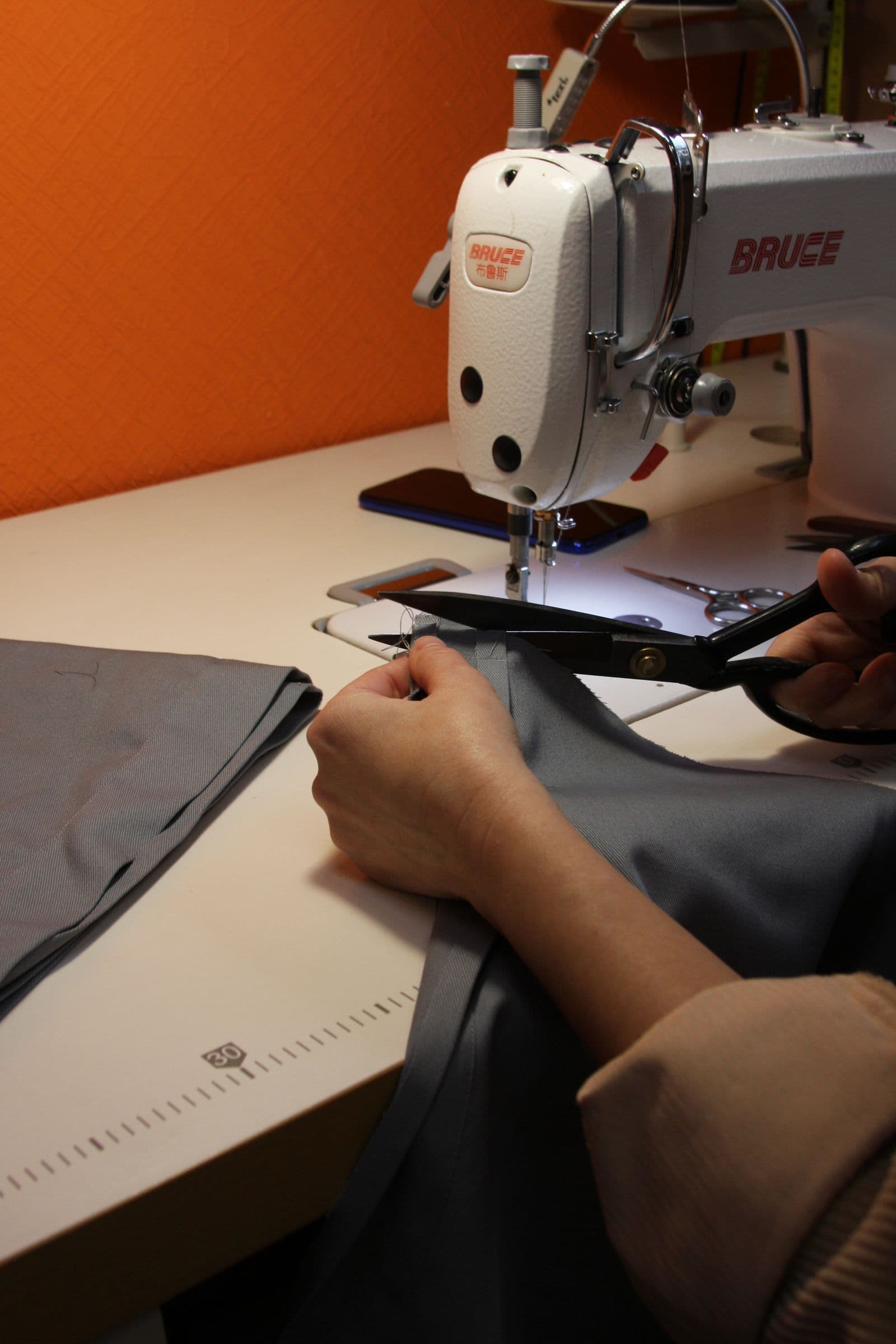
Cut & sew production:garments made fromfabric, not blanks.
Dilshad & Sons (Private) Limited is a cut-and-sew garment factory in Faisalabad, Pakistan. Each order starts as fabric and is patterned, cut, sewn, finished and inspected under one roof — so fit, fabric and construction come from your specification rather than from a blank.
Cut and sew at a glance
- Production type
- Cut & sew — from fabric roll to finished, packed garment
- Under one roof
- Pattern & sample development · cutting · sewing · finishing · QC · packing
- Fabric & trims
- Sourced against your specification and checked on arrival
- Decoration
- Screen printing · other print methods · embroidery
- Garments
- T-shirts, polo shirts, hoodies, sweatshirts, tracksuits, joggers, shorts, workwear & uniforms, kidswear and sportswear
- Factory
- Faisalabad, Pakistan · since 2015
What cut & sew means
Cut and sew, compared with decorating blanks.
| Cut & sew | Decorating blanks | |
|---|---|---|
| Starting point | Fabric, cut from patterns made for your garment. | A ready-made garment bought in from a blank supplier. |
| Fit | Developed from your measurement chart and graded across your sizes. | Fixed by the blank maker’s pattern. |
| Fabric | Chosen by composition, weight and colour for your product. | Limited to what the blank range offers. |
| Branding | Labels sewn in during production; print or embroidery on your own garment. | Usually relabelling, or decoration on top of someone else’s label. |
| Sampling | Development and sealed sample before bulk. | Often no development sample at all. |
| Suited to | Production runs where the garment itself is the product. | Very small or very fast runs where fit and fabric matter less. |
On the floor
The cut & sew line, stage by stage.
| Stage | What happens | What it protects for you |
|---|---|---|
| Pattern & grading | Patterns developed to your measurement chart and graded across your size set. | Every size fits the way your base size does. |
| Sample approval | Development and fit samples revised until you seal one in writing. | Bulk has one physical reference, not a verbal agreement. |
| Fabric intake | Fabric and trims checked against the specification before they are released to cutting. | The wrong fabric is stopped before it becomes cut panels. |
| Marker & cutting | Markers planned against the approved patterns; panels cut and bundled by size. | Bundle control keeps panels tracked, so sizes are not mixed on the line. |
| Sewing | Lines sew to the sealed sample, with in-line checks during the run. | Construction faults are caught while they can still be corrected. |
| Finishing | Trimming, pressing and measurement verification. | What leaves the floor matches what was approved. |
| Inspection & packing | Final inspection, then packing to your list with carton marks verified. | Cartons arrive with the right assortment and labelling. |
The inspection points inside these stages are detailed on quality & compliance, and each production module on manufacturing capabilities.
Buyer fit
When cut & sew is the right choice.
A good fit when
- Your fit or fabric is part of what customers are paying for.
- You intend to reorder the style and need it to stay consistent.
- Labels, trims and decoration should be built into the garment, not added afterwards.
Probably not when
- You need a handful of pieces within days.
- Any stock garment with your logo on it would do.
- Your quantity is below a production run per style and colour.
Designing something new? Start with custom clothing manufacturing. Moving a style that already has a tech pack? See OEM production.
Questions
Cut & sew, answered.
Do you decorate blank garments?
No. We manufacture garments from fabric. Printing and embroidery are applied to garments made to your order, not to blanks bought in from elsewhere.
Can you create patterns from a sample garment?
Yes. A reference garment can be measured and documented into a pattern and specification, which you confirm in writing before sampling begins.
Which garments can you cut and sew?
The factory manufactures t-shirts, polo shirts, hoodies, sweatshirts, tracksuits, joggers, shorts, workwear & uniforms, kidswear and sportswear, each developed to the buyer’s specification.
Is cut and sew suitable for a small first order?
Cut and sew needs patterns, samples and fabric bought per colour, so it suits production runs rather than a few pieces. State your quantity per style and colour and we will confirm whether it works for our lines.
Have a garmentto cut and sew?
Send your tech pack, pattern or reference garment with fabric and quantity details, and we will confirm how it runs on our line.
Prefer email? [email protected]